Table of Contents
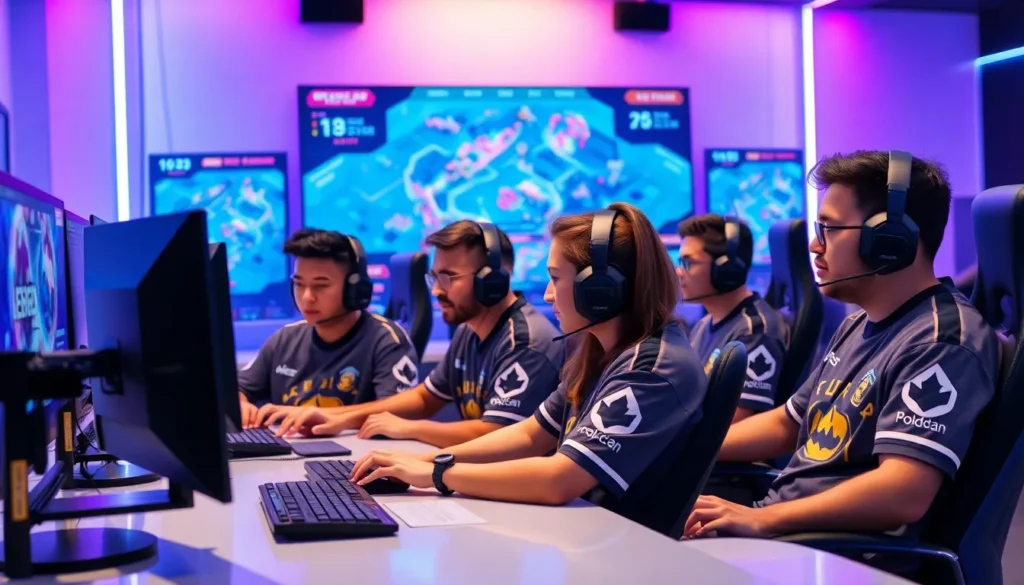
ToggleMOBA games have become some of the most popular competitive titles in gaming history. These multiplayer online battle arena games combine fast-paced action, strategic thinking, and team coordination into intense matches that can last anywhere from 20 minutes to over an hour. Whether players want to climb ranked ladders, compete in esports, or just enjoy casual matches with friends, MOBA games offer something for everyone. This guide covers everything from basic mechanics to popular titles and tips for getting started.
Key Takeaways
- MOBA games blend individual skill with team coordination, making victories feel both personally rewarding and collaborative.
- Understanding core mechanics like lanes, map control, roles, and itemization helps players improve faster in any MOBA title.
- Popular MOBA games include League of Legends, Dota 2, Smite, and mobile options like Mobile Legends: Bang Bang for different playstyles.
- New players should master a few characters first, practice last-hitting minions, and constantly watch the minimap to build strong fundamentals.
- Balanced team compositions with carries, supports, tanks, assassins, and mages give teams the best chance at victory.
- Staying positive and reviewing losses honestly accelerates improvement more than blaming teammates.
What Is a MOBA Game?
A MOBA, or multiplayer online battle arena, is a subgenre of strategy games where two teams compete to destroy each other’s base. Each player controls a single powerful character, often called a hero or champion, with unique abilities and a specific role on the team.
MOBA games typically feature a symmetrical map divided into lanes. These lanes connect the two team bases and serve as the main battlegrounds. Computer-controlled units called minions or creeps spawn periodically and march down these lanes. Players earn gold and experience by defeating enemy minions, neutral monsters, and opposing players.
The genre traces its roots back to custom maps in real-time strategy games. The original Defense of the Ancients (DotA) mod for Warcraft III laid the groundwork for modern MOBA titles. That mod proved so popular that it spawned an entire genre, leading to standalone games that now attract millions of players worldwide.
What separates MOBA games from other multiplayer experiences is the blend of individual skill and team coordination. A single player can make game-changing plays, but victory eventually depends on how well the team works together. This balance creates matches that feel both personally rewarding and genuinely collaborative.
Core Gameplay Mechanics
Understanding core MOBA mechanics helps players improve faster and contribute more to their teams. While each MOBA game has its own twists, several fundamental systems appear across the genre.
Lanes and Map Control
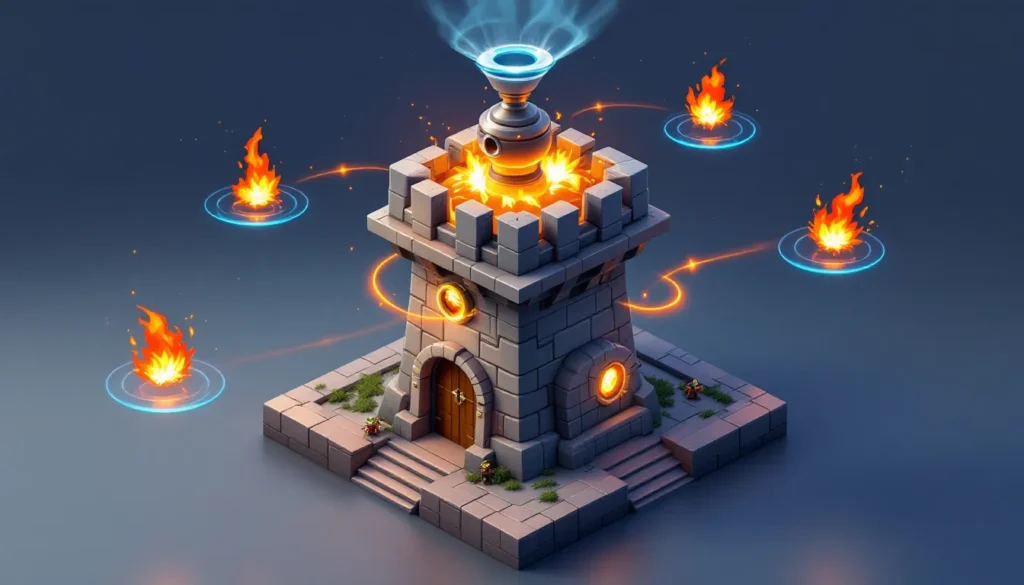
Most MOBA maps feature three lanes: top, middle, and bottom. Each lane has defensive structures called towers or turrets that attack enemies within range. Teams must destroy these structures to reach the enemy base. The areas between lanes, known as the jungle, contain neutral monsters that provide gold, experience, and special buffs when defeated.
Map control determines which team has more freedom to move around safely. Vision plays a critical role here. Teams place wards to reveal portions of the map and track enemy movements. Good vision leads to better decision-making and fewer surprise attacks.
Roles and Team Composition
MOBA teams typically assign players to specific roles based on their character’s strengths:
- Carry: Deals heavy damage late in the game but starts weak
- Support: Protects allies and provides utility through healing or crowd control
- Tank: Absorbs damage and initiates team fights
- Assassin: Eliminates high-value targets quickly
- Mage: Deals magic damage, often from a distance
Balanced team compositions include a mix of these roles. A team with five damage dealers might struggle to survive fights, while a team with too many tanks may lack the firepower to finish off enemies.
Gold, Experience, and Itemization
Players earn gold by killing minions, monsters, and enemy players. This gold purchases items that enhance a character’s stats and abilities. Smart itemization can counter enemy strategies or amplify a character’s natural strengths.
Experience levels up characters and unlocks or strengthens their abilities. Falling behind in levels puts players at a significant disadvantage, so efficient farming matters throughout the match.
Popular MOBA Titles Worth Playing
Several MOBA games have established themselves as genre leaders. Each offers a distinct experience while keeping the core formula intact.
League of Legends remains the most-played MOBA worldwide. Developed by Riot Games, it features over 160 champions and receives regular updates. The game emphasizes fast-paced action and relatively shorter match times compared to some competitors. Its esports scene draws millions of viewers annually.
Dota 2 takes a more complex approach to the genre. Valve’s free-to-play title offers deeper mechanics, longer matches, and a steeper learning curve. Every hero is available from the start, and the game’s annual tournament, The International, regularly features the largest prize pools in esports history.
Smite stands out by using a third-person perspective instead of the traditional top-down view. Players control gods and mythological figures from various pantheons. This camera angle makes the game feel more action-oriented and accessible to players new to the MOBA genre.
Mobile Legends: Bang Bang and Arena of Valor brought the MOBA experience to smartphones. These titles feature shorter matches and simplified controls designed for touchscreens. They’ve found massive audiences in regions where mobile gaming dominates.
Heroes of the Storm from Blizzard features characters from Warcraft, StarCraft, Diablo, and Overwatch. It removes individual gold systems in favor of team-wide experience, creating a more team-focused experience from start to finish.
Tips for New MOBA Players
Starting a new MOBA can feel overwhelming. These tips help beginners build good habits and improve steadily.
Learn a few characters well before expanding. Most MOBA games offer dozens or even hundreds of playable characters. Focusing on two or three lets players master fundamental mechanics without worrying about unfamiliar abilities.
Practice last-hitting minions. Dealing the killing blow to minions grants gold. Missing last hits means missing income. Spending time in practice modes improves this essential skill.
Watch the minimap constantly. The minimap shows allied and visible enemy positions. Checking it every few seconds helps players avoid ganks and spot opportunities.
Communicate with the team. Pings and quick chat messages keep teammates informed. Calling out missing enemies or requesting assistance takes seconds but prevents deaths.
Don’t chase kills too far. New MOBA players often pursue low-health enemies into dangerous territory. Overextending leads to getting caught by multiple enemies. Sometimes letting an opponent escape is the smarter choice.
Review losses honestly. Every death and lost team fight teaches something. Asking “What could I have done differently?” accelerates improvement more than blaming teammates.
Stay positive. MOBA matches can get frustrating. Tilting leads to poor decisions and makes games less enjoyable for everyone. Taking breaks after tough losses helps maintain a clear mindset.