Table of Contents
ToggleMOBA stands for Multiplayer Online Battle Arena. This gaming genre has attracted millions of players worldwide. Two teams compete to destroy each other’s base while defending their own. Players control unique characters called heroes or champions. Each match combines strategy, teamwork, and fast-paced action.
The MOBA genre grew from real-time strategy game mods in the early 2000s. Today, titles like League of Legends and Dota 2 dominate the esports scene. Understanding what MOBA games offer helps players decide if this competitive genre fits their gaming preferences.
Key Takeaways
- MOBA stands for Multiplayer Online Battle Arena, a competitive genre where two teams battle to destroy each other’s base.
- Players control unique heroes or champions with specific roles like carry, support, or tank, each contributing differently to team success.
- Popular MOBA games include League of Legends, Dota 2, and Mobile Legends: Bang Bang, each offering different match lengths and complexity levels.
- Most MOBA titles are free-to-play with 100+ characters, making them accessible to anyone with a computer or mobile device.
- The genre thrives on competitive depth, esports success, and social teamwork, keeping millions of players engaged worldwide.
How MOBA Games Work
MOBA games follow a consistent structure across different titles. Two teams of players face off on a symmetrical map. The standard team size is five players per side. Each player selects one character from a large roster before the match begins.
The primary objective involves destroying the enemy team’s main structure. This structure sits at the opposite end of the map from each team’s starting point. Teams must push through defensive towers and enemy players to reach it.
Lanes and Minions
Most MOBA maps feature three lanes connecting the two bases. These lanes serve as the main pathways for combat. Computer-controlled units called minions or creeps spawn regularly and march down each lane. Players earn gold and experience by killing these units.
The area between lanes is called the jungle. Neutral monsters inhabit this space. Defeating them provides additional resources and special buffs. One player typically takes the jungler role, moving between lanes to support teammates.
Character Roles
MOBA games assign characters to specific roles. Carries deal heavy damage but start weak. Supports protect teammates and provide utility. Tanks absorb damage for their team. Each role contributes differently to victory.
Players level up their characters during each match. They start at level one and gain abilities as they progress. Gold purchases items that enhance stats and provide special effects. This progression resets when a new match begins.
Key Features That Define the Genre
Several core features separate MOBA games from other competitive genres. These elements create the strategic depth that keeps players engaged.
Large Character Rosters
MOBA titles typically offer 100+ playable characters. Each character has unique abilities and playstyles. League of Legends features over 160 champions. Dota 2 provides 124 heroes. This variety ensures players can find characters matching their preferences.
Character selection happens before each match. Teams often draft characters in alternating picks. Some games allow banning certain characters from play. This draft phase adds a layer of strategy before gameplay even starts.
Team-Based Competition
MOBA games require coordination between teammates. Solo skill matters, but teamwork determines most outcomes. Players must communicate about objectives, enemy positions, and battle plans.
Team fights represent crucial moments in matches. These large-scale battles involve multiple players from both sides. Proper positioning and ability timing separate winning teams from losing ones.
Free-to-Play Model
Most MOBA games use a free-to-play business model. Players can download and play without spending money. Revenue comes from cosmetic items like character skins. Some games offer ways to unlock characters faster through purchases.
This model removed barriers for new players. Anyone with a computer or mobile device can try MOBA games. The approach helped the genre reach massive player counts.
Popular MOBA Games to Try
Several MOBA titles have established large player communities. Each offers a slightly different take on the genre’s core formula.
League of Legends remains the most-played MOBA worldwide. Riot Games launched it in 2009. The game features fast matches averaging 25-35 minutes. Its annual World Championship draws millions of viewers.
Dota 2 attracts players seeking deeper complexity. Valve released this sequel in 2013. Matches run longer than League of Legends. The game offers all heroes free from the start. Its International tournament holds prize pool records in esports.
Mobile Legends: Bang Bang brought the MOBA experience to smartphones. Moonton developed this title for mobile-first audiences. Matches last around 10-15 minutes. The game dominates mobile gaming markets in Southeast Asia.
Smite takes a third-person perspective instead of the traditional top-down view. Hi-Rez Studios built the game around mythological gods and goddesses. Players control characters from Greek, Norse, Egyptian, and other pantheons.
Heroes of the Storm featured characters from Blizzard’s game franchises. The game emphasized team objectives over individual farming. Blizzard ended active development in 2022, but players can still access it.
Each MOBA game attracts different player preferences. Some favor quick mobile sessions. Others want deep strategic systems. Trying multiple titles helps players find their preferred experience.
Why MOBA Games Are So Popular
The MOBA genre maintains strong player counts for several reasons. Understanding these factors explains the format’s lasting appeal.
Competitive Depth
MOBA games reward skill development over time. Players can spend years improving at a single title. The learning curve stays engaging because mastery requires understanding hundreds of character matchups. High-level play showcases impressive mechanical skill and strategic thinking.
Ranked modes let players measure their progress. Climbing from lower ranks to higher tiers provides clear goals. This progression keeps players returning to improve.
Esports Success
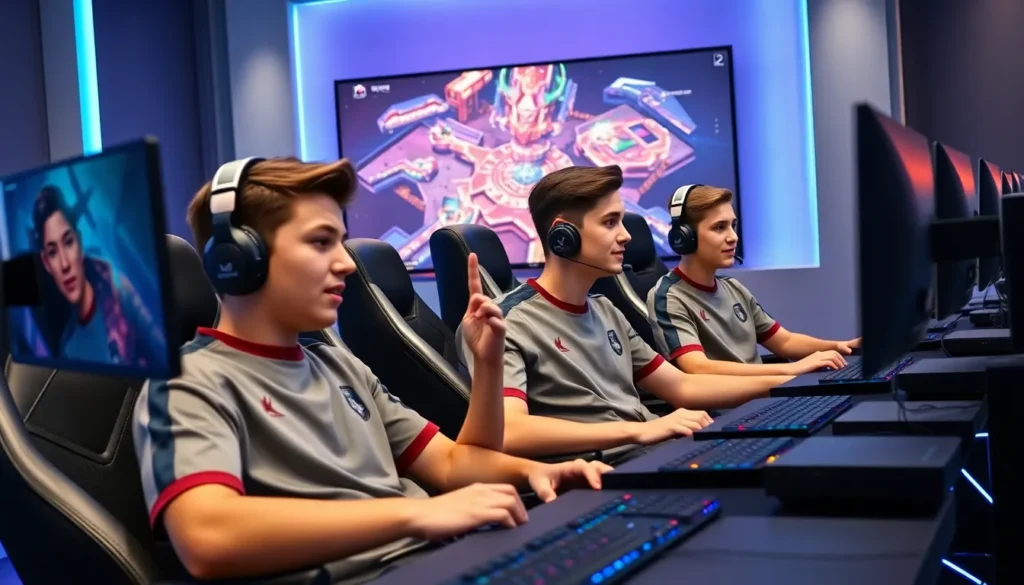
MOBA titles dominate competitive gaming viewership. League of Legends World Championship 2023 peaked at over 6 million concurrent viewers. Dota 2’s The International 2024 offered a multi-million dollar prize pool. Professional MOBA players earn substantial salaries.
Watching skilled players compete teaches strategies and builds community. Fans follow favorite teams and players like traditional sports. This esports ecosystem extends the genre’s reach beyond active players.
Social Experience
MOBA games create shared experiences with friends. Playing together requires communication and coordination. Victories feel earned through collective effort. The team format makes these games natural choices for gaming groups.
Online communities form around MOBA titles. Players discuss strategies, share highlights, and debate character balance. These communities extend engagement beyond actual gameplay time.