Table of Contents
ToggleThe Tesla has been a fixture in Clash Royale’s meta since the game’s early days, and in 2026, it’s still wreaking havoc on enemy win conditions. This four-elixir defensive building remains one of the most reliable answers to Hog Riders, Giants, and aerial threats. But slapping down a Tesla at the bridge isn’t enough anymore, the difference between 6,000 trophies and getting stuck in mid-ladder purgatory often comes down to placement timing, evolution awareness, and knowing exactly when your opponent’s about to overcommit.
This guide breaks down everything players need to dominate with Tesla in 2026. From updated card stats and evolution mechanics to advanced kiting techniques and deck-building strategies, it’s all here. Whether someone’s grinding ladder with Hog 2.6 or experimenting with X-Bow siege, understanding Tesla’s current role separates consistent winners from players who watch their tower melt while their defensive building targets the wrong unit.
Key Takeaways
- Tesla remains a meta-defining four-elixir defensive building in 2026 because its spell immunity when hidden and versatile air-and-ground targeting make it reliable against most win conditions.
- Precise Tesla placement and timing are critical—placing it one tile off center against Hog Rider can cost the tower, and waiting until troops commit before dropping Tesla maximizes its 35-second lifetime.
- Evolution Tesla’s chain lightning effect transforms its role from single-target defender to mini-splash dealer, making it particularly effective against grouped pushes with support troops.
- Tesla fits best in fast-cycle archetypes like Hog 2.6, Miner Control, and X-Bow siege decks where its four-elixir cost enables rapid card rotation while providing consistent defensive stability.
- Multi-lane pressure, swarm troops like Goblin Gang, and Earthquake spells are Tesla’s main counters—overcoming these weaknesses requires pairing Tesla with splash support or spell backup.
- Common mistakes that cost matches include placing Tesla too early, ignoring spell vulnerability by using identical placement spots, and failing to support it against swarms or multi-faceted attacks.
What Is the Tesla Card in Clash Royale?
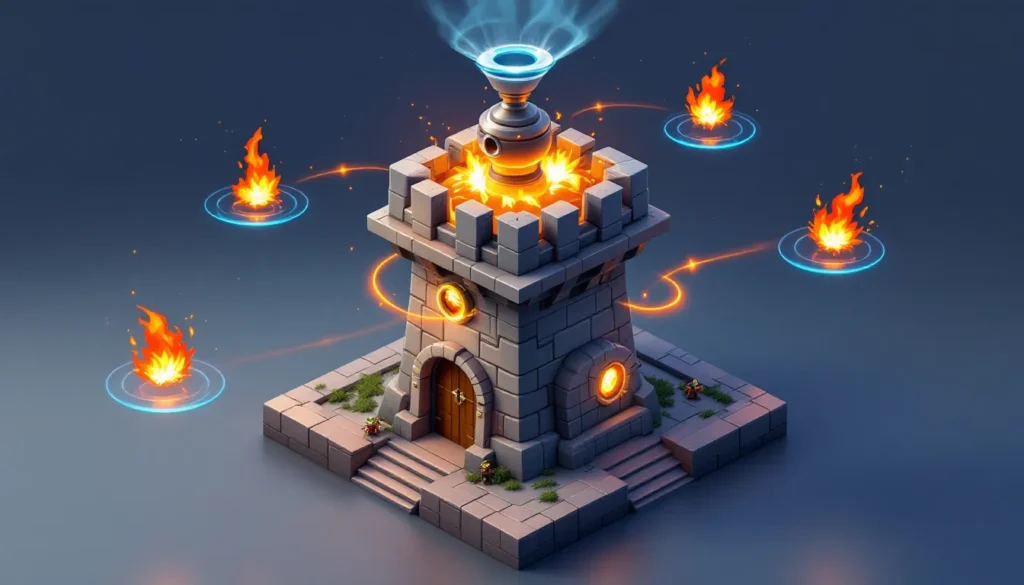
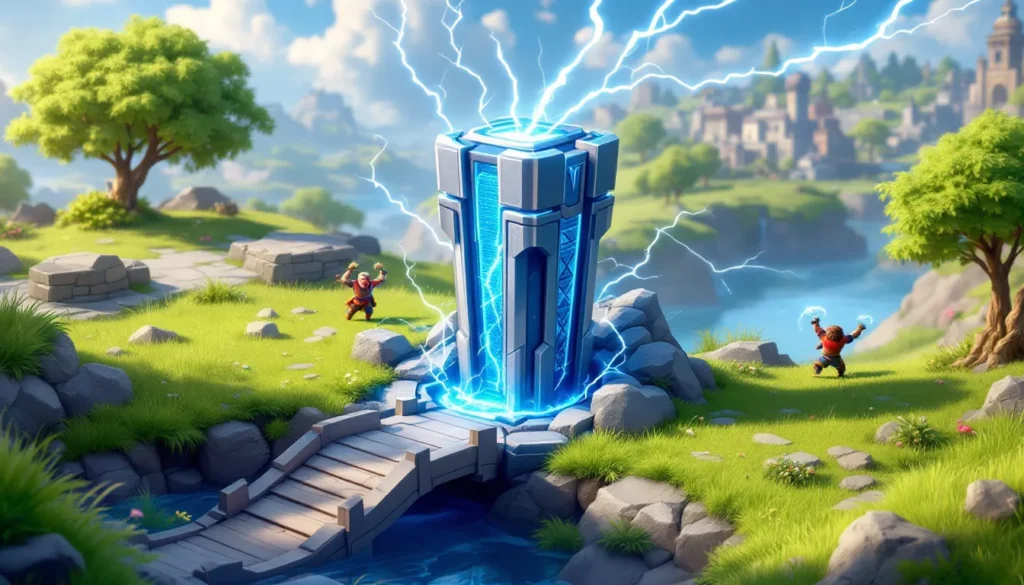
Tesla is a four-elixir defensive building that pops up from underground to deliver rapid electric shocks to enemy troops and tanks. Unlike permanent structures, Tesla hides when not attacking, making it immune to spell damage and ranged troops during its dormant phase. This mechanic alone makes it one of the slipperiest defensive tools in the game.
Tesla targets both ground and air units, covering most offensive threats except for swarms that can overwhelm its single-target attack. Players drop it behind the King Tower or in the center to pull opposing troops into both Princess Towers’ range, maximizing damage output while the Tesla does its work.
Card Stats and Key Mechanics
As of the March 2026 balance changes, Tesla holds steady with stats that reward smart placement over brute strength. At tournament standard (Level 11):
- Hit Speed: 1.0 sec
- Damage per Hit: 127
- DPS: 127
- Hitpoints: 984
- Lifetime: 35 seconds
- Deploy Time: 1 sec
- Range: 5.5 tiles
- Targets: Air & Ground
- Cost: 4 Elixir
The real magic happens with its hidden state. When no enemies are in range, Tesla retracts underground, becoming completely untargetable. This means spells like Lightning, Rocket, or Fireball can’t touch it unless it’s actively shooting. Skilled players bait out spells before placing Tesla, or they time placement after opponents waste their heavy spell on something else.
Tesla’s 5.5-tile range sits in a sweet spot. It’s long enough to pull troops from the bridge but short enough that placement matters. Drop it one tile too far forward, and it won’t pull a Hog Rider into the kill zone. One tile too far back, and the Hog gets a swing on the tower.
Evolution Changes and Recent Updates
The Evolution Tesla dropped in late 2025 as part of the ongoing Evolution card rollout. Evolution Tesla keeps the core hiding mechanic but adds a chain lightning effect on every third attack, hitting up to three additional targets within range. This turns Tesla from a single-target defender into a mini-splash dealer, making it surprisingly effective against support troops clustered behind a tank.
Evolution requirements include maxed card level (Level 15) and the Evolution shard system. Players need to collect Evolution shards through challenges, shop offers, or Trophy Road rewards. Once unlocked, Evolution Tesla can be toggled on or off before matches, allowing flexibility based on deck needs.
Recent balance tweaks in the February 2026 patch left Tesla untouched, which says plenty about its balanced state. Supercell has historically nerfed Tesla multiple times, lifetime reductions, hitpoint cuts, damage tweaks, but the card keeps crawling back into competitive play. Its current stats reflect years of fine-tuning, and barring another meta shift toward spell-bait or building-targeting swarms, Tesla’s position looks secure through at least the spring 2026 season.
Why Tesla Remains a Meta-Defining Defensive Building
Tesla’s staying power in the meta isn’t just about nostalgia. The card delivers consistent value in a game where elixir efficiency decides matches. Four elixir stops six-elixir pushes regularly, and that positive trade compounds over a three-minute match.
Strengths and Advantages of Using Tesla
Spell Immunity When Hidden: This remains Tesla’s signature advantage. Players waste thousands of matches trying to predict-spell a Tesla that’s still underground. Even when opponents successfully land a spell, Tesla’s 984 HP at tournament standard often survives Fireball + Log or Poison + Zap combinations, still delivering chip damage afterward.
Versatile Targeting: Countering both air and ground means Tesla handles everything from Balloon rushes to Mega Knight pushes. Decks running Tesla don’t need separate answers for aerial and ground threats, freeing up deck slots for cycle cards or spell options.
Kiting Potential: Tesla’s underground state resets aggro when it hides. Drop it correctly, and enemy troops walk past it toward the tower, then turn back when Tesla pops up. This mechanic buys crucial seconds and pulls troops into awkward positions where both Princess Towers shred them.
Cycle-Friendly Cost: At four elixir, Tesla fits perfectly into fast-cycle decks that prioritize rapid card rotation. Hog 2.6, Miner Poison, and X-Bow 3.0 all benefit from Tesla’s moderate cost, allowing players to cycle back to key offensive cards while maintaining solid defense.
Evolution Upside: For players who’ve invested in Evolution Tesla, the chain lightning effect transforms defensive sequences. A Giant + Musketeer push used to require Tesla plus a Mini P.E.K.K.A or spell to handle both units. Evolution Tesla’s chain hits both simultaneously, often securing the defense alone.
Many winning strategies incorporate Tesla as the backbone defensive building, anchoring decks that pressure opponents while refusing to give up tower damage.
Weaknesses and Counters to Watch Out For
Swarm Vulnerability: Tesla’s single-target attack crumples against Goblin Gang, Skeleton Army, or Minion Horde. Players running Tesla-heavy decks need splash support, The Log, Zap, Arrows, or Valkyrie, to cover this glaring weakness.
Building-Targeting Troops: Hog Rider, Ram Rider, Royal Giant, and Balloon all lock onto Tesla instead of the tower. While this seems like an advantage, skilled opponents exploit this. They’ll send a tank to soak Tesla shots while support troops like Wizard or Electro Dragon clean up behind. Tesla handles single threats well but struggles against layered pushes.
Earthquake’s Hard Counter: Earthquake spell destroys buildings with brutal efficiency. A single Earthquake drops Tesla to under 300 HP, and two casts kill it outright. Earthquake meta spikes make Tesla less attractive, though the spell’s current usage rates in 2026 remain moderate after recent damage adjustments.
Lifetime Limitations: Tesla’s 35-second lifetime sounds generous, but against control decks that play defensively, players often waste Tesla placements. Drop it too early anticipating a push that doesn’t come, and four elixir evaporates with zero value. Patience matters.
No Offensive Pressure: Unlike Goblin Hut or Furnace, Tesla offers zero offensive value. It doesn’t spawn troops, doesn’t chip towers, doesn’t threaten split-lane pressure. This makes Tesla purely reactive, forcing players to generate offense through other cards. Decks lacking reliable win conditions struggle even with perfect Tesla defense.
Best Deck Archetypes for Tesla in 2026
Tesla slots into specific archetypes that value defensive consistency and fast cycling. Forcing it into heavy beatdown or three-spell decks usually backfires. Here’s where Tesla shines in the current meta.
Hog Cycle Decks with Tesla
The classic Hog 2.6 remains Tesla’s most iconic home. This deck archetype hasn’t fundamentally changed since 2018, which speaks to its timeless design:
- Hog Rider
- Tesla
- Musketeer
- Ice Golem
- Skeletons
- Ice Spirit
- Cannon (some variants swap this for The Log)
- Fireball + The Log
Hog 2.6 works because Tesla handles heavy tanks and building-targeting troops while Musketeer covers air. The deck cycles fast enough to have Tesla ready for every opposing push. Ice Golem kites, Skeletons distract, and Ice Spirit stalls, all supporting Tesla’s defensive work.
Variants swap Cannon for a second defensive building or spell, but Tesla remains non-negotiable. Against beatdown decks, players often place Tesla reactively to pull Golems or Giants into the center, then cycle back to another Tesla before the first one expires. This double-Tesla defense shuts down 10+ elixir pushes while the Hog Rider chips away opposite lane.
Players pushing ladder with advanced techniques rely on precise Tesla timing to maximize defensive value before launching counter-pushes.
Miner Control Decks
Miner Poison Control trades Hog Rider’s direct tower pressure for Miner’s chip damage and crown tower targeting flexibility. Tesla fits here because Miner Control prioritizes defense-first gameplay:
- Miner
- Poison
- Tesla
- Valkyrie or Knight
- Bats or Skeletons
- Ice Spirit or Electro Spirit
- Musketeer or Firecracker
- The Log
This archetype grinds opponents down through incremental tower damage from Miner while Poison denies elixir collectors, erodes pushes, and finishes wounded towers. Tesla provides the defensive anchor, handling everything from Ram Riders to Mega Minions.
Miner Control shines against spell-bait and cycle decks that struggle to punish slow offense. Players using Miner Tesla decks often win by defending perfectly for two minutes, then overwhelming opponents in double elixir with rapid Miner placements backed by Poison.
The February 2026 Miner buff (first-hit damage increased) revitalized this archetype, making Tesla-based Miner decks viable again after months of obscurity. According to recent meta analysis from Game8, Miner Control variants climbed back into A-tier ladder viability.
X-Bow and Mortar Siege Strategies
Siege decks use Tesla not just for defense but to protect offensive buildings. X-Bow 3.0 is the premier example:
- X-Bow
- Tesla
- Archers or Firecracker
- Knight
- Skeletons
- Ice Spirit or Electro Spirit
- The Log
- Fireball or Rocket
X-Bow players drop Tesla in front of their X-Bow to intercept tanks attempting to soak X-Bow shots. Tesla’s hiding mechanic synergizes beautifully here, it pops up, shoots, then disappears, minimizing spell value for opponents trying to clear the siege setup.
Mortar variants follow similar logic. Mortar Bait runs Tesla to handle Hog Riders and Giants that would otherwise tank Mortar shots. Tesla’s four-elixir cost fits Mortar’s cycle-heavy playstyle, allowing players to rotate back to Mortar while Tesla defends.
Siege players need immaculate defensive reads. Tesla placement can’t be reactive in siege, it needs to anticipate where opponents will push. Drop Tesla too early, and its lifetime expires before the real threat arrives. Too late, and the X-Bow takes unnecessary damage.
Advanced Placement Techniques and Timing
Tesla placement separates 6,000-trophy players from those stuck below 5,000. One tile difference determines whether a Hog Rider gets zero hits or two. Here’s how to optimize every Tesla drop.
Optimal Defensive Placements Against Different Win Conditions
Against Hog Rider: Place Tesla four tiles from the river, centered between both Princess Towers. This pulls Hog Rider into the middle, activating both towers while Tesla delivers full damage. Players often mess this up by placing Tesla one tile too far to either side, allowing Hog Rider to target the tower before Tesla pulls aggro.
Timing matters. Drop Tesla too early (before Hog crosses the bridge), and opponents can preemptively Earthquake or Lightning it. Wait until Hog Rider is one tile past the bridge, then place Tesla. The Hog commits fully, no turning back, and walks straight into the kill zone.
Against Giant/Golem: Place Tesla in the center, three to four tiles from the King Tower. This maximizes lifetime usage and pulls the tank toward the middle, where Princess Towers shred support troops. Never place Tesla directly behind the King Tower, this pushes tanks forward too quickly, giving support troops time to build up.
Against Giant + Sparky specifically, place Tesla early to pull Giant, then drop a mini-tank or cycle card to distract Sparky. Tesla alone won’t handle this combo, but correct placement buys time for follow-up answers.
Against Balloon: Place Tesla as close to the river as possible, on the side where Balloon approaches. Tesla’s range pulls Balloon before it reaches the tower, and placement close to the bridge maximizes shot count before Balloon’s death damage. Pair this with Ice Spirit or Bats to finish Balloon before the death bomb drops.
Players defending LavaLoon need Tesla plus spell support. Tesla handles Lava Hound, but supporting Balloons and Pups require Arrows, Fireball, or troop support.
Against Royal Giant: This matchup sucks for Tesla. Royal Giant outranges it, sitting just outside Tesla’s 5.5-tile reach while hammering the tower. Place Tesla directly on top of Royal Giant after it crosses the bridge, forcing immediate aggro. This doesn’t fully counter Royal Giant, but it minimizes tower damage. Some players skip Tesla entirely against Royal Giant, saving it for support troops.
Kiting and Pulling Mechanics
Kiting refers to pulling enemy troops away from their intended target, wasting their time and redirecting them into unfavorable positions. Tesla’s underground mechanic enhances kiting because troops lose aggro when Tesla hides, then reaggro when it pops back up.
Basic Kite: Drop Tesla on the opposite lane from the push. A Mega Knight jumping toward the left tower gets pulled all the way across the arena if Tesla is placed on the right side, three tiles from the King Tower. Both Princess Towers now have extended time to shoot Mega Knight before he reaches either one.
King Tower Activation: Some troops can activate the King Tower if pulled correctly. Tesla won’t activate King Tower by itself, but combined with troops like Ice Golem or Skeletons, it sets up the pull. Drop Tesla high and center (four tiles from King Tower), let the troop lock onto it, then place Ice Golem or Skeletons between the troop and King Tower. The troop retargets to the closer unit, walks into King Tower range, and boom, King Tower activates.
This works reliably against Ram Rider, Hog Rider, and Balloon. Against tanks like Golem or Giant, King activation requires different setups (usually Tornado or Fisherman).
Aggro Reset Timing: Tesla hides every few seconds when no targets are in range. Use this to reset high-damage units. Drop Tesla, let it shoot once, then when it hides, the enemy troop retargets to the nearest threat. Drop a cheap cycle card (Skeletons, Ice Spirit) during the hide phase, and the troop switches targets, buying extra seconds of tower safety.
Players mastering core tips spend hours in friendly battles practicing Tesla placement against every major win condition, ingraining muscle memory for tile-perfect drops.
Tesla vs. Other Defensive Buildings: Which Should You Choose?
Choosing the right defensive building shapes the entire deck’s identity. Tesla isn’t always the answer, even though it’s tempting to default to its versatility.
Tesla vs. Cannon
Cannon costs three elixir, making it the cheaper option for ground-only defense. Against Hog Rider, Giant, or Royal Hogs, Cannon provides similar value to Tesla at a lower cost. The elixir saved adds up, over a three-minute match, choosing Cannon over Tesla frees up several elixir for offensive plays.
Why choose Cannon:
- Deck needs faster cycle speed (Cannon’s lower cost cycles quicker)
- Meta heavily favors ground-based win conditions
- Deck already has solid air defense (Musketeer, Firecracker, Bats)
- Every elixir point matters (hyperaggressive cycle decks)
Why choose Tesla:
- Air threats dominate the meta (Balloon, Lava Hound, Mega Minion)
- Deck lacks air defense elsewhere
- Spell immunity matters (opponents running Earthquake or prediction spells)
- Extra hitpoints justify the cost (surviving Fireball + small spell)
Cannon’s 30-second lifetime matches Tesla’s 35 seconds closely, but Cannon stays visible, making it vulnerable to spells. Against Poison-heavy metas, Cannon takes full damage while Tesla hides through portions of it.
In early 2026, the meta leans slightly toward air threats with Balloon and Lava Hound usage ticking upward after the January balance changes. This environment favors Tesla, but players facing predominantly ground-based opponents in their trophy range might still prefer Cannon’s elixir efficiency.
Tesla vs. Inferno Tower
Inferno Tower costs five elixir and specializes in melting tanks. Its ramping damage incinerates Golems, Giants, Mega Knights, and Lava Hounds faster than Tesla ever could. But that specialization comes with tradeoffs.
Why choose Inferno Tower:
- Meta flooded with heavy tanks (Golem, E-Giant, Mega Knight)
- Deck lacks high-damage single-target answers
- Opponents rarely carry Zap or Electro Wizard (Inferno’s hard counters)
- Playing beatdown defense where winning means stopping one massive push
Why choose Tesla:
- Meta includes diverse threats (mix of tanks, medium troops, air units)
- Opponents frequently run Zap, Electro Wizard, or Electro Spirit (all reset Inferno)
- Deck needs cycle speed (Tesla’s four elixir vs. Inferno’s five)
- Preference for flexible, consistent defense over specialized tank-killing
Inferno Tower’s biggest weakness is reset mechanics. Zap, Electro Wizard, and Electro Dragon reset Inferno’s charge, forcing it to ramp up again from zero. Skilled opponents time resets perfectly, rendering Inferno useless. Tesla doesn’t care about resets, it delivers steady DPS regardless.
Inferno Tower also can’t hide. It sits there, visible and vulnerable, begging for Lightning or Rocket. Five elixir disappears instantly if opponents spell it down, while Tesla’s hidden state often dodges those spells entirely.
Current usage rates from Pocket Tactics’ March 2026 meta report show Tesla at 18% usage in top-ladder matches, compared to Inferno Tower’s 11%. Tesla’s flexibility wins out in diverse metas, while Inferno Tower spikes during tank-heavy seasons.
How to Counter Tesla When Facing It
Knowing how to dismantle Tesla matters as much as knowing how to use it. Opponents running Tesla-based decks rely on its defensive consistency, so breaking that consistency wins matches.
Spell Cycling and Prediction Plays
Earthquake remains Tesla’s hardest counter. Two Earthquakes kill Tesla outright, and one Earthquake plus any small spell finishes it. Players running Earthquake-heavy decks should spell Tesla aggressively, especially against cycle decks that rely on Tesla for every defense.
Prediction Earthquake works beautifully. When opponents cycle defensive cards (Ice Golem, Skeletons, Ice Spirit), they’re likely setting up for Tesla on the next rotation. Drop Earthquake at the standard Tesla placement spot (center, four tiles from King Tower) right before sending the win condition. Even if the prediction misses, Earthquake damages the tower, and the psychological pressure forces opponents into awkward placements.
Rocket and Lightning trade evenly with Tesla (six elixir spell vs. four elixir building plus partial tower damage). This isn’t ideal, but against decks where Tesla is the only reliable defense, spelling it down opens lanes for win conditions. Lightning specifically hits Tesla plus supporting troops (Musketeer, Firecracker), creating positive trades.
Spell cycling in double elixir grinds down Tesla decks. Save spells for Tesla itself rather than wasting them on troops. Once Tesla falls, rush the opposite lane immediately, opponents won’t have Tesla back in hand for several seconds.
Overwhelming with Multi-Lane Pressure
Tesla’s single-target attack can’t handle split-lane pressure. Send threats down both lanes simultaneously, forcing opponents to choose which tower to defend with Tesla. The other lane often gets free damage.
Split-lane combos that wreck Tesla:
- Royal Hogs + Goblin Barrel: Royal Hogs target buildings, pulling Tesla if placed, while Goblin Barrel hits the opposite tower. Opponents need Tesla plus spell for this combo, and timing often doesn’t align.
- Ram Rider + Miner: Ram Rider one lane, Miner on the opposite tower. Tesla handles one, but the other connects for chip damage.
- Balloon + Goblin Gang: Balloon forces Tesla immediately (or the tower dies), leaving Goblin Gang to chew through the other tower uncontested.
Split-lane pressure works best when opponents have just used elixir on defense or offense. Watch their elixir counter in 2v2 or friendly battles to practice timing. When they drop to 3-4 elixir, split pressure immediately, they can’t defend both lanes effectively.
Building-targeting swarms also overwhelm Tesla. Royal Hogs (four individual Hogs) force Tesla to target one while the other three slap the tower. Goblin Drill bypasses Tesla’s pull entirely by drilling behind it, spawning Goblins that ignore the building and rush the tower.
Support troops behind tanks exploit Tesla’s focus. Tesla locks onto the tank (Giant, Golem), ignoring support troops (Wizard, Electro Dragon) that shred the Tesla. By the time Tesla kills the tank, the support troops have already destroyed it. This layered push approach consistently beats Tesla-only defenses.
Players studying effective gameplay concepts recognize that Tesla punishes single-threat pushes but crumples against coordinated, multi-faceted attacks.
Upgrading and Leveling Tesla: Investment Guide
Tesla sits in the Rare rarity category, making it more accessible than Epic or Legendary cards but still requiring significant investment for max level.
Card copies needed:
- Level 11 (Tournament Standard): 100 cards
- Level 14 (Max): 10,000+ cards total
- Level 15 (Evolution-ready): Additional 25,000 gold + max copies
Gold investment:
- Level 9 to 11: ~10,000 gold
- Level 11 to 14: ~150,000+ gold
- Level 14 to 15: 25,000 gold
Is Tesla worth maxing? Absolutely, if the deck revolves around it. Hog 2.6, Miner Control, and X-Bow players should prioritize Tesla immediately after their win condition. Underleveled Tesla dies to overleveled spells (Fireball + Log) and fails to secure positive trades against higher-level troops.
For F2P players, focus Book of Books and Trade Tokens on Tesla once committed to a Tesla-based deck. Rare cards fill up from chests reasonably fast, but maxing still takes months. Wild Cards help, save Rare Wild Cards specifically for Tesla rather than spreading them across multiple cards.
Evolution unlock priority: Evolution Tesla isn’t mandatory for ladder success, but it’s strong in top-tier play. The chain lightning effect provides noticeable value against beatdown and swarm decks. Prioritize Evolution Shards on Tesla if:
- Main deck uses Tesla (not a flex slot)
- Meta favors grouped pushes (support troops behind tanks)
- Pushing for 7,000+ trophies where marginal advantages matter
For casual or mid-ladder players (4,000-6,000 trophies), standard Level 14 Tesla performs well. Save Evolution Shards for other cards if Tesla is just a support option rather than deck core.
Upgrade order for Hog 2.6:
- Hog Rider (win condition priority)
- Tesla (core defense)
- Musketeer (versatile DPS)
- Fireball (spell consistency)
- Ice Golem, Skeletons, Ice Spirit (cycle cards last)
This order ensures win condition reliability and defensive stability before optimizing cycle speed. Underleveled Hog Rider fails to chip effectively against max-level towers, and underleveled Tesla dies too quickly against meta threats.
Common Mistakes to Avoid When Playing Tesla
Even experienced players misuse Tesla in ways that cost matches. Here’s what not to do.
Placing Tesla Too Early: New players panic-drop Tesla the moment they see a tank at the bridge. This wastes lifetime and opens vulnerability windows. Wait until the tank crosses the bridge and commits to a lane. Then place Tesla. Those extra seconds of lifetime matter in double elixir when pushes come faster.
Ignoring Spell Vulnerability: Just because Tesla hides doesn’t make it invincible. Lightning, Rocket, and Earthquake still wreck it. Against opponents who’ve already spelled Tesla once, varying placement by a tile or two dodges prediction spells. Don’t place Tesla in the exact same spot every single time, predictable patterns get punished.
Failing to Support Tesla Against Swarms: Tesla melts against Goblin Gang, Skeleton Army, or Minion Horde. Always have a spell or splash troop ready. The Log, Zap, or Arrows should be in hand or cycling into hand before Tesla drops. Dropping Tesla without swarm answers is asking for a defensive collapse.
Overcommitting Elixir: Tesla costs four elixir. Adding Knight, Musketeer, and a spell to support Tesla defense means spending 10+ elixir. That’s beatdown levels of investment for defense. Trust Tesla to handle threats independently when possible. Save supporting troops for countering the next push rather than overkilling the current one.
Misreading Tesla’s Role in the Deck: Tesla isn’t a win condition. Some players defend perfectly with Tesla, then wonder why they can’t break through opponent’s towers. Tesla buys time and creates positive elixir trades, but offense requires dedicated win conditions (Hog, Miner, X-Bow). Balance defensive discipline with offensive aggression.
Neglecting King Tower Activation Setups: Tesla can help King Tower activations with proper support. Against Ram Rider or Hog Rider, setting up the pull correctly activates King Tower, massively boosting defensive power for the rest of the match. Players who ignore this setup miss out on game-changing advantage.
Playing Tesla Against Hard Counters: Royal Giant, Earthquake-heavy decks, and spell-cycle decks make Tesla’s life miserable. Recognize bad matchups early and adjust strategy. Against Royal Giant, focus on cycling to win condition faster rather than relying on Tesla defense. Against Earthquake decks, bait out the spell with other buildings or troops before committing Tesla.
According to insights from Twinfinite’s recent strategy coverage, the most common ladder mistake is placing Tesla reactively in the same position every time, allowing opponents to memorize the spot and land prediction spells consistently. Variation keeps opponents guessing.
Conclusion
Tesla’s 2026 status as a defensive staple isn’t accidental. Years of balance changes, meta shifts, and Evolution additions refined it into one of the game’s most reliable buildings. Four elixir buys consistent value against most win conditions, and mastering Tesla placement elevates defensive play to elite levels.
Whether grinding ladder with Hog 2.6, controlling the pace with Miner Poison, or locking down siege wins with X-Bow, Tesla delivers. Its hiding mechanic dodges spells, its versatility covers air and ground threats, and its cycle-friendly cost fits fast-paced strategies perfectly. Evolution Tesla adds another layer for players willing to invest, but even standard Tesla remains competitive at every trophy range.
Success with Tesla comes down to placement precision, timing discipline, and matchup awareness. Players who practice tile-perfect drops, anticipate opponent pushes, and adapt placement to dodge prediction spells will consistently outperform those who spam Tesla reactively. The card rewards skill, patience, and game sense, exactly what separates good players from great ones.