Table of Contents
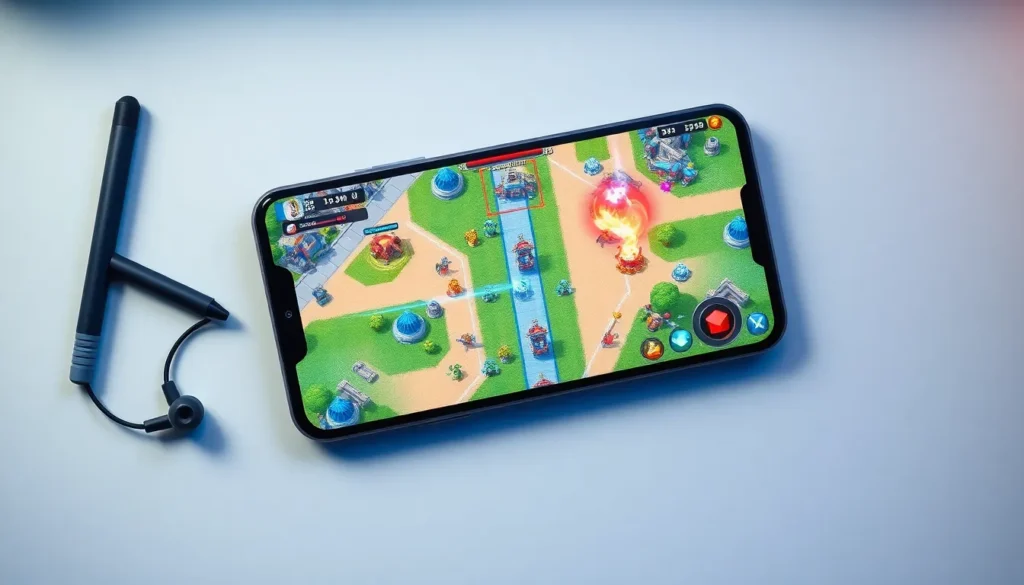
ToggleClash Royale is a free-to-play mobile strategy game developed by Supercell. Since its global release in March 2016, Clash Royale has attracted hundreds of millions of players worldwide. The game blends real-time strategy, collectible card mechanics, and tower defense into fast-paced three-minute battles.
Players build decks of eight cards and deploy troops, spells, and buildings to destroy enemy towers. Clash Royale rewards quick thinking, strategic planning, and smart resource management. Whether someone plays casually or competitively, the game offers something for everyone. This guide covers how Clash Royale works, its game modes, card systems, and competitive features.
Key Takeaways
- Clash Royale is a free-to-play mobile strategy game by Supercell that combines real-time strategy, collectible cards, and tower defense in fast-paced three-minute battles.
- Players build eight-card decks and use elixir to deploy troops, spells, and buildings to destroy enemy towers before time runs out.
- The game offers multiple modes including Path of Legends (ranked), Party Mode (casual), and rotating challenges with unique rules and rewards.
- Over 100 cards exist across four rarity levels—Common, Rare, Epic, and Champion—each with unique abilities to master.
- Clans enable social gameplay through card donations, trading, and weekly Clan Wars competitions against other groups.
- Clash Royale features a thriving esports scene with professional leagues and global tournaments offering substantial prize pools.
How Clash Royale Works
Clash Royale places two players against each other on a battlefield with two lanes. Each player has three towers: two Princess Towers on the sides and one King Tower in the center. The goal is simple, destroy more towers than the opponent within three minutes.
Players use elixir to deploy cards from their hand. Elixir regenerates automatically during the match, so timing matters. Each card costs a specific amount of elixir, ranging from one to nine. Cheap cards like Skeletons cost one elixir, while heavy hitters like Golem cost eight.
Matches follow a clear structure. During the first two minutes, elixir generates at normal speed. In the final minute, elixir production doubles. This “double elixir” period often decides close games. If the match ends in a tie, sudden death overtime begins. The first player to destroy any tower wins.
Clash Royale rewards both offense and defense. Players must balance attacking enemy towers while protecting their own. Placing troops at the right time and position creates advantages. A well-timed defensive play can turn into a devastating counter-push.
The game runs on a trophy system. Winning matches earns trophies, while losses cost trophies. Higher trophy counts unlock new arenas, cards, and rewards. This progression system keeps players engaged and motivated to improve.
Game Modes and Arenas
Clash Royale offers multiple game modes beyond standard 1v1 ladder matches. Each mode provides different challenges and rewards.
Path of Legends
Path of Legends serves as the main ranked mode. Players compete to earn League Medals and climb through ranks. This mode uses level caps, meaning card levels are limited based on the league. This creates fairer matches where skill matters more than card levels.
Party Mode
Party Mode includes casual 1v1 and 2v2 battles. Wins and losses don’t affect trophy counts here. Players can try new decks or team up with friends without pressure. Special game modes rotate through Party, including Triple Elixir, Sudden Death, and various draft formats.
Challenges and Events
Clash Royale runs regular challenges with unique rules and rewards. Global tournaments attract millions of participants competing for prizes. Special events tied to holidays or game updates offer exclusive rewards and fresh gameplay twists.
Arenas
Arenas represent different trophy ranges in Clash Royale. Each arena features unique visual themes, from Training Camp to Legendary Arena. Reaching higher arenas unlocks new cards for collection. The arena system gives players clear milestones to pursue.
Clash Royale keeps gameplay fresh through rotating modes and seasonal content. Players always have something new to try.
Cards, Decks, and Progression
Cards form the core of Clash Royale gameplay. The game features over 100 cards divided into troops, spells, and buildings. Each card has unique abilities and stats.
Card Rarities
Clash Royale cards come in four rarity levels:
- Common – Easy to find and upgrade
- Rare – Slightly harder to collect
- Epic – Powerful but less frequently obtained
- Champion – The rarest cards with special abilities
Legendary cards also exist as a distinct tier between Epic and Champion. Higher rarity doesn’t always mean better, many top decks feature Common and Rare cards.
Building Decks
Players build decks of exactly eight cards. Good decks balance offense, defense, and elixir cost. Most successful decks include a win condition (a card designed to damage towers), support troops, spells, and defensive options.
Average elixir cost matters in Clash Royale deck building. Decks with high average costs struggle to cycle cards quickly. Lower-cost decks can respond faster but may lack heavy damage.
Upgrading Cards
Collecting duplicate cards and gold allows upgrades. Higher-level cards have better stats. Players earn cards through chests, challenges, trading, and the shop. Clash Royale also offers a season pass called Pass Royale, which speeds up progression and provides exclusive rewards.
Mastery missions give players goals for each card. Completing these missions earns badges and rewards while encouraging players to try different cards.
Clans and Competitive Play
Clans add a social dimension to Clash Royale. Players can join clans of up to 50 members. Clan members donate cards to each other, speeding up progression for everyone.
Clan Wars
Clan Wars pit clans against each other in weekly competitions. Members earn Fame by winning battles using special war decks. Clans compete in River Races, racing to reach checkpoints before opponents. The winning clan earns better rewards.
Trading and Donations
Clan members can request and donate cards daily. Trade tokens allow direct card swaps between clanmates. Active clans help members build collections faster than playing solo.
Esports and Competitive Scene
Clash Royale has a thriving esports scene. The Clash Royale League (CRL) features professional teams from around the world. Annual World Finals crown the best player or team globally. Prize pools reach hundreds of thousands of dollars.
Even casual players can compete in monthly global tournaments. Clash Royale regularly hosts in-game competitions with real prizes. The game’s short match length makes it ideal for competitive play.
Community Features
Friends can challenge each other to friendly battles at any time. Spectator mode lets players watch clanmates’ matches live. Replays allow players to study their games or share highlights.